

Tianfu Park PON All-Optical Monitoring Upgrade: Light as the Link, Solidifying the Foundation of Smart Security
2026-02-02 09:52:12
178
Tianfu Park PON All-Optical Monitoring Upgrade: Light as the Link, Solidifying the Foundation of Smart Security
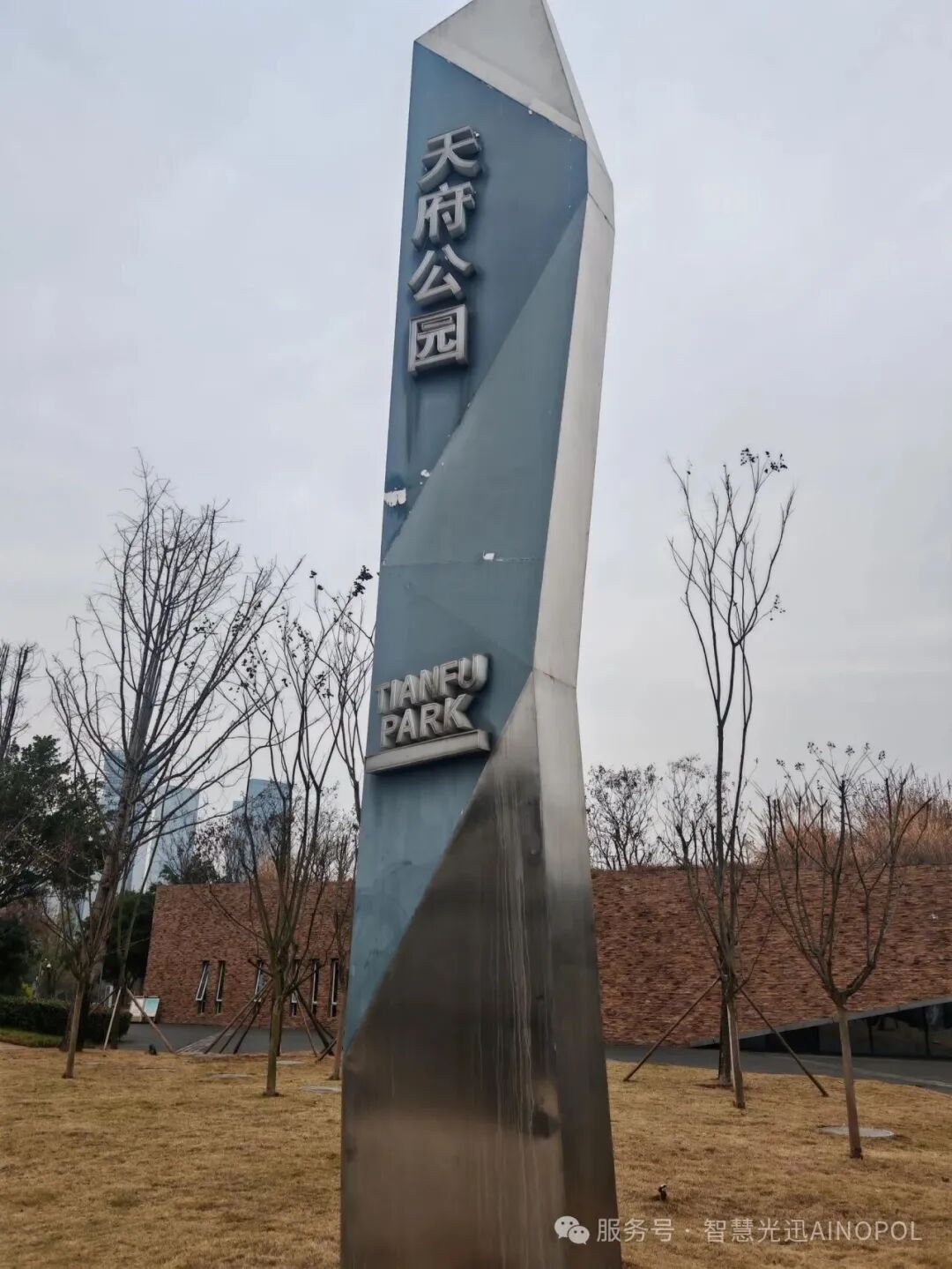
Tianfu Park, the urban green lung of Chengdu, always attracts countless citizens for leisure walks on weekends and holidays. However, behind this vibrant expanse of greenery, a monitoring system that has been in operation for years has gradually become a hidden concern for the park's safety management due to equipment aging and line faults.
Recently, the park is about to host a high-profile important event, leading to a sudden surge in security pressure. A series of problems have emerged for the management team: some of the park’s original monitoring points are out of service, the wiring is messy and difficult to maintain, and the equipment status cannot be monitored remotely. How to comprehensively improve the stability and manageability of the monitoring system in a short period has become the key to ensuring the smooth running of the event.
When Emergency Event Support Meets Chronic Issues of Traditional Networks
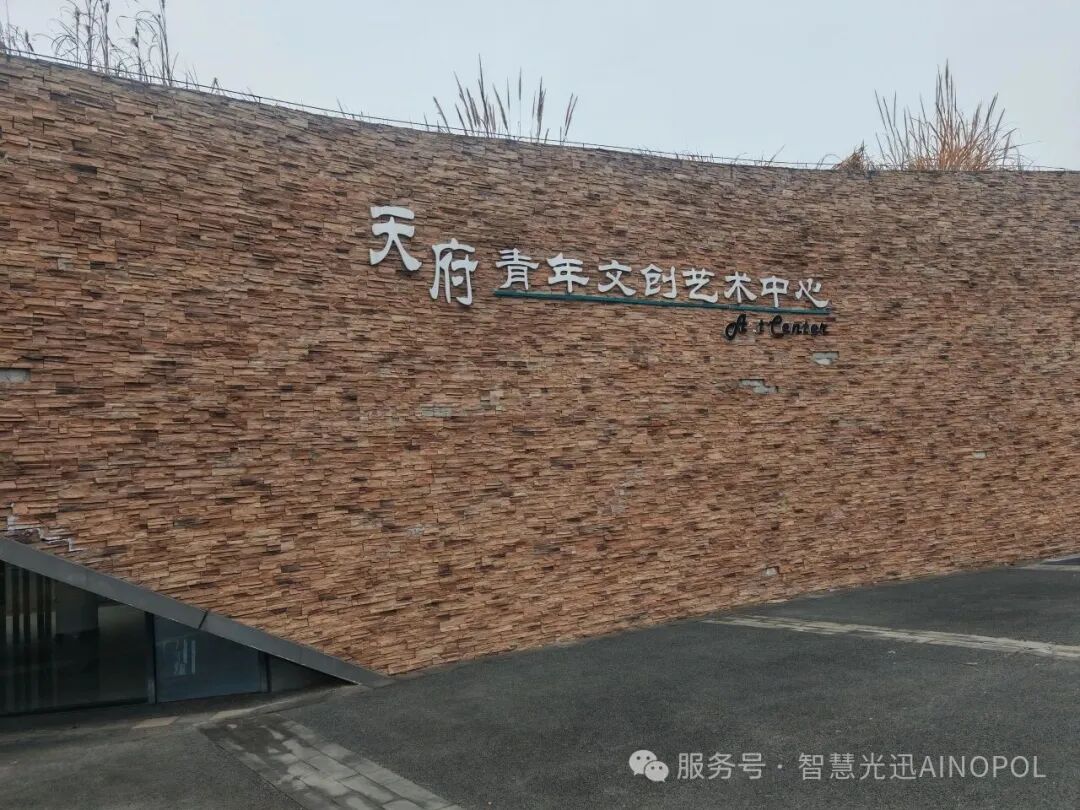
The renovation of the monitoring system at Tianfu Park is driven by urgent and clear requirements. The high-profile event soon to be held at the park has imposed extremely stringent demands on the reliability and full-coverage capability of the security monitoring system.
However, the park’s existing monitoring network adopts the classic point-to-point networking model of "fiber optic transceivers + Ethernet switches". Over time, this system has exposed several inherent and insurmountable problems during operation and maintenance:
Bulky network architecture with high failure ratesEach camera requires a dedicated paired fiber optic transceiver and connects to the equipment room via a dedicated fiber link. This means that hundreds of monitoring points correspond to hundreds of transceiver pairs and a complex cable system. Any single-point failure—be it transceiver damage, power supply issues, or loose fiber optic connectors—will directly cause the loss of a monitoring feed, resulting in an enormous workload for maintenance and troubleshooting.
Unknown device status leading to passive and inefficient O&MTraditional fiber optic transceivers have single functions and cannot feed back their operational status to the network management system. When a monitoring feed is interrupted, O&M personnel cannot remotely identify the root cause of the fault. They have to troubleshoot on-site at each point one by one based on experience, which is inefficient and slow in response.
Low resource utilization and difficult scalabilityThe point-to-point architecture severely wastes fiber optic resources. Adding a new camera requires laying a new independent optical path, which involves long construction cycles and high costs. The system has poor scalability and cannot meet the dynamic access requirements of smart park equipment.
Therefore, the project goal is not merely a simple repair. Instead, it aims to build a stable, reliable, easy-to-maintain, future-oriented all-optical monitoring network. This network will not only ensure the foolproof security of major events but also effectively improve the park’s intelligent management level in the long run.
AINOPOL Optical Network Solution: Reshaping the "Smart Nerves" of the Park
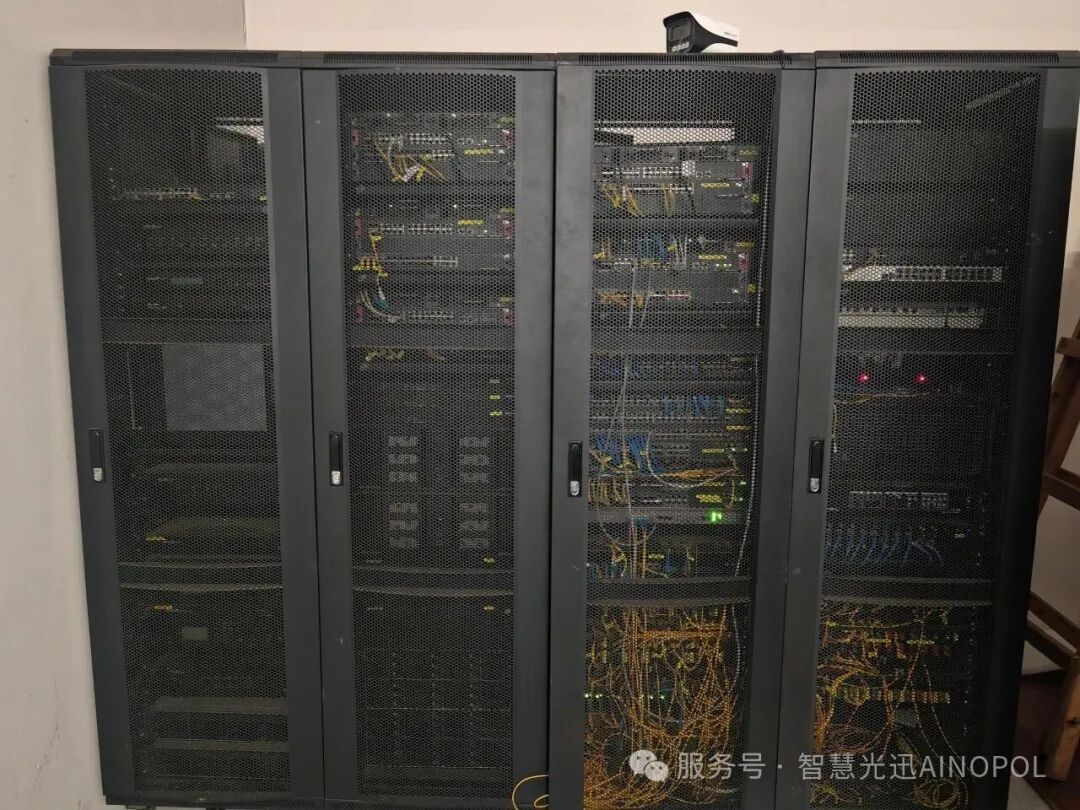
Faced with the imminent task of event support and long-term O&M challenges, AINOPOL did not opt for a simple "equipment replacement", but carried out a thorough architectural revolution—upgrading the Ethernet point-to-point architecture to a Passive Optical Network (PON) point-to-multipoint architecture.
Core Deployment: Centralized Control & Flexible Access at Nerve Endings
We deployed 8 units of AINOPOL 8GS Series OLT devices in the park’s core equipment room, which serve as the smart brain and master controller of the entire monitoring network. At 200 key locations across the park, we replaced the original messy combination of fiber optic transceivers, switches and power supplies with ZH-F1POP (Optical-Electrical Convergence ONU) devices.
The Ingenious "Asset Reutilization" Strategy
After a comprehensive assessment of on-site conditions, we avoided large-scale, highly disruptive re-cabling work in the park. This project innovatively reused the park’s existing high-quality fiber resources to carry the data traffic of the brand-new PON network. Power is locally accessed near each ONU device, and stable power is supplied to the cameras via PoE technology. This initiative enabled a silent revolution of the underlying network architecture to be completed in an extremely short time with minimal disruption.
Visible transformations, tangible peace of mind.
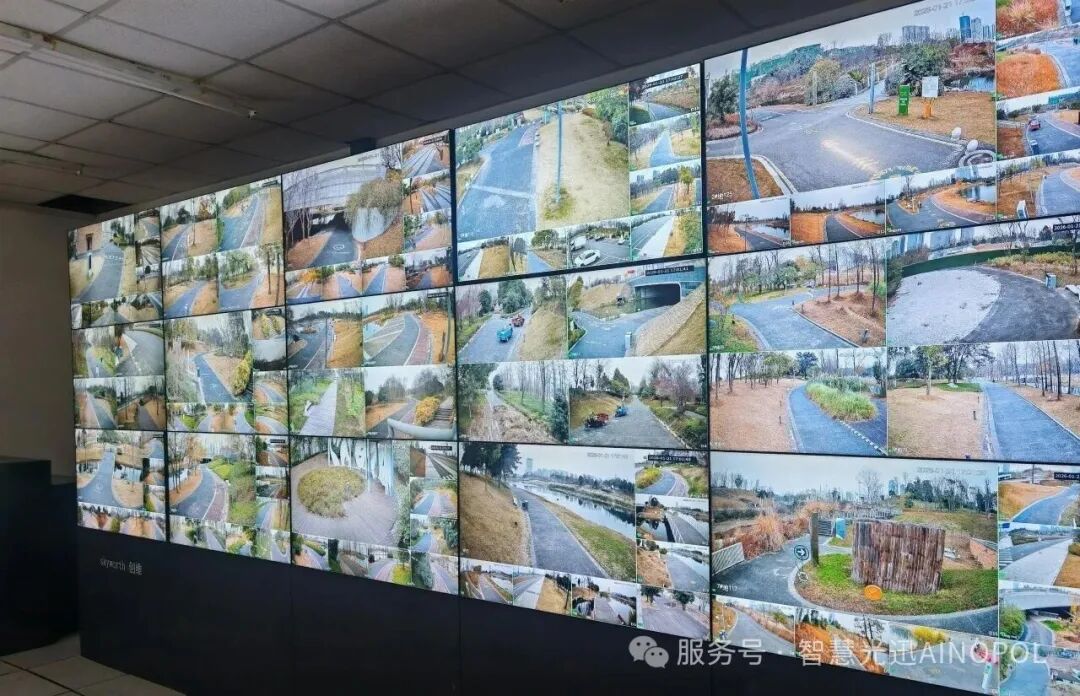
Simplified Architecture & Enhanced Reliability
PON adopts a point-to-multipoint architecture, where a single OLT can connect to a large number of ONUs via optical splitters. This completely transforms the previously bloated structure where one camera was paired with a set of transceivers, streamlining the network hierarchy into a clear and concise framework. Passive optical splitters replace a large number of active devices, significantly reducing the overall failure rate and cutting down the consumption of backbone fiber resources substantially.
Visualized O&M & Intelligent Management
The EAAS Cloud Platform greatly simplifies the deployment process. All devices can be connected to the cloud with one click. Through AINOPOL’s unified cloud management platform, O&M personnel can remotely monitor key metrics of all devices in real time, including online status, optical power, and data traffic. The system supports automatic fault alerts and accurate location identification, enabling a paradigm shift from "passive emergency repair" to "proactive O&M" and dramatically boosting maintenance efficiency.
Scalable & Future-Ready
The newly built PON network boasts excellent scalability. In the future, whether adding more security cameras or accessing various IoT terminals such as environmental monitoring sensors, information release systems, and smart lighting, it will only require installing additional ONUs within the coverage of the existing optical network. It is analogous to adding new "access points" to the already established "optical backbone highways", which drastically lowers the complexity and cost of subsequent intelligent upgrades.
"This network upgrade has addressed our pressing needs," a relevant person in charge of Tianfu Park Administration Office stated. "It not only ensured the foolproof security of major events, but also made daily management much easier. Now, whenever a fault occurs anywhere in the system, it can immediately issue an alert and pinpoint the location. We no longer have to conduct blind troubleshooting like we used to."
Through this Tianfu Park project, AINOPOL has once again proven the remarkable value of its all-optical network solutions in improving the stability and O&M efficiency of critical infrastructure. With innovative technologies, pragmatic design, and efficient delivery, we have built a solid and reliable connectivity foundation for the intelligentization and security management of urban public spaces.


